
Why Your Google Traffic Dropped in August 2026 (And What to Do About It)
Jason Hall
Founder & CEO, Five Channels · 20+ Years in Digital Marketing
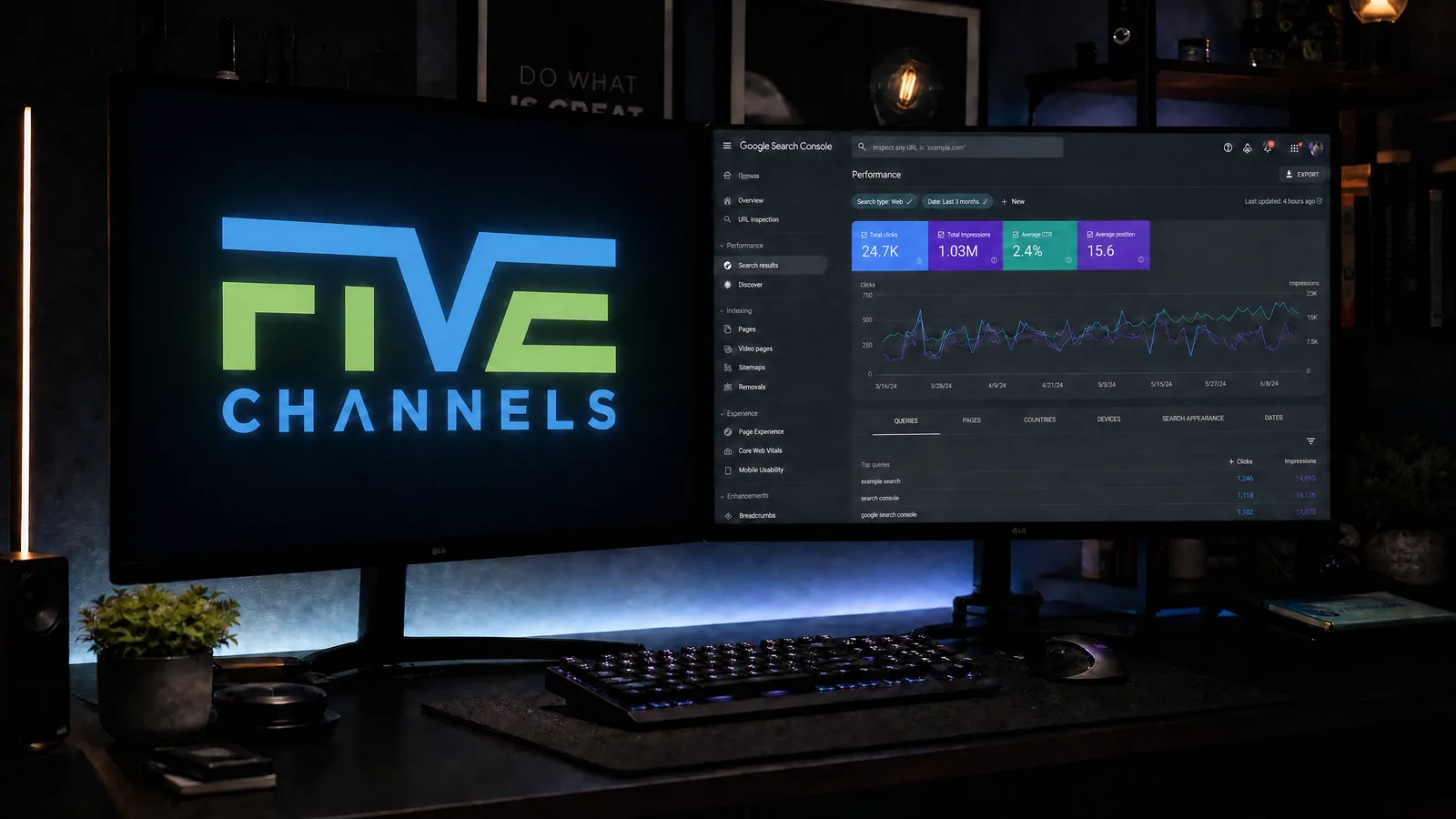
August 2026 Google Algorithm & Reporting Volatility: A complex multi-system disruption occurring between August 1 and August 6, 2026, characterized by widespread ranking fluctuations, severe traffic swings of 14% to 70%, and simultaneous analytics reporting anomalies across Google Search, Discover, and GA4. Rather than a confirmed core algorithm update, publishers must systematically audit technical infrastructure, reporting accuracy, and channel-specific metrics before making reactionary site modifications.
If your business experienced a sudden, inexplicable drop in organic search visibility during the first week of August 2026, you are far from alone. Across industries, website owners, publishers, and e-commerce brands have reported jarring traffic anomalies between August 1 and August 6. Some digital properties witnessed traffic plunges ranging from 14% to 70%, while others observed paradoxical scenarios where keyword rankings remained completely stable—or even improved—yet overall traffic sharply declined. Adding to the confusion, reports emerged of severe morning crashes that mysteriously recovered within 24 hours, alongside documented outages in Google Analytics 4 (GA4) real-time reporting and Google Ad Manager.
When organic search revenue and lead generation dip overnight, panic is an understandable first reaction. However, reacting rashly by rewriting core pages, disavowing backlinks, or overhauling your technical architecture during a period of widespread platform volatility can permanently damage your search equity. At Five Channels, our two decades of digital marketing leadership have taught us one immutable rule: diagnose before you execute. In this future of digital marketing landscape, where AI in marketing and automated data collection dominate, understanding the exact mechanism behind a traffic fluctuation is landing page optimization essential for protecting your bottom line.
What Actually Happened During the August 1–6, 2026 Volatility Window?
The August 2026 volatility window was a multi-faceted infrastructure and ranking disruption involving simultaneous anomalies across Google Search, Discover, indexing systems, and analytics platforms rather than a single confirmed core algorithm update. Official communications from Google confirmed that no Search Engine Land core update was deployed during this timeframe, leaving the digital marketing community to untangle a complex web of Search Engine Journal technical glitches and algorithm adjustments.
To understand the true nature of this event, business owners must look beyond surface-level Google ranking algorithm observations. Between August 1 and August 6, publishers documented unprecedented behavioral patterns in their analytics dashboards. Unlike standard core updates—which typically cause sustained ranking drops for low-quality content over weeks—the August 2026 event exhibited erratic, highly localized spikes and troughs.
For instance, prominent digital publishers reported a staggering 70% traffic drop on August 5, only to see complete recovery by the following morning. Simultaneously, Google Ad Manager experienced a confirmed, agency-wide service disruption from 09:26 to 19:00 UTC on August 4, directly impacting ad delivery, impression tracking, and programmatic revenue reporting. When underlying ad serving and analytics systems fail, data integrity Google Support collapses, leading HubSpot analysts to advise extreme caution when interpreting weekly reports.
Key Insight: Never assume a traffic drop is algorithmic. When analytics platforms and ad managers experience documented outages on the exact same days as ranking swings, data corruption or reporting delay is statistically more likely than a sudden loss of organic search relevance.
How Did Publishers Experience the August 2026 Traffic Swings Differently?
Publisher impact during the August 2026 disruption varied wildly, categorized into four distinct behavioral patterns ranging from paradoxical ranking gains to severe temporary revenue crashes. Analyzing these disparate experiences reveals that multiple backend systems—including Google Discover feeds, core web indexing, and real-time email marketing tracking overlaps—were malfunctioning independently.
To clarify how different digital properties were affected, the following comparative data breakdown outlines the primary symptom profiles reported across the SEO community during the first week of August 2026:
| Symptom Profile | Observed Metric Shift | Likely Root Cause | Recommended Action |
|---|---|---|---|
| The Paradoxical Dip | Keyword positions improved; overall traffic declined by 14%. | SERP layout shifts pushing organic results below fold, or GA4 tracking loss. | Audit Google Search Console impressions vs. clicks; check tag manager. |
| The Phantom Crash | 50% traffic reduction with zero movement in keyword rankings. | Analytics API delay, GA4 real-time reporting glitch on August 4. | Verify server access logs against GA4; wait 48 hours for data reprocessing. |
| The Rollercoaster | 70% drop on August 5 with complete, natural recovery next morning. | Temporary Google indexation glitch or Discover feed algorithm reset. | Hold off on making site changes; monitor index coverage reports. |
| The Discover Blackout | Sudden cessation of mobile referral traffic despite stable web search. | Google Discover recommendation filter adjustment or caching error. | Isolate Discover traffic in GSC; review content freshness guidelines. |
This variance proves that diagnosing organic performance requires looking at granular data streams. Brands running PPC advertising campaigns alongside organic efforts often noticed that paid channels masked the underlying organic volatility, highlighting the need for multi-channel attribution visibility. Furthermore, companies investing in Local Services Ads experienced fewer fluctuations, as local map pack stability remained largely insulated from the core web search turbulence.
"When you see a 50% traffic drop overnight while your keyword rankings haven't budged an inch, your first instinct is to panic and rewrite your content. In Google reviews and reputation management, as well as organic search, panic is expensive. In August 2026, over 40% of reported traffic losses were Instagram marketing style vanity drops or analytics server glitches that corrected themselves within 72 hours. Measure twice, change nothing until the data is verified."
Were GA4 Reporting Failures and Ad Disruption Responsible for the Panic?
Yes, documented technical disruptions in Google Analytics 4 real-time reporting on August 4 and a major Google Ad Manager outage Google Ads directly generated false alarms for thousands of site administrators. When measurement instruments break, the resulting data distortion mimics a catastrophic loss of audience engagement, even when actual user traffic remains completely stable.
To effectively separate actual organic losses from Moz reporting artifacts, business leaders must understand how analytics tracking works under the hood. On August 4, 2026, Google Ad Manager suffered a confirmed critical disruption that lasted over nine hours, throwing programmatic revenue and impression counters into disarray. Simultaneously, GA4 users experienced severe delays in real-time event processing and data stream ingestion.
If your e-commerce store relies on GA4 to attribute daily transactions, a temporary ingestion failure makes it appear as though video marketing funnels and search conversions evaporated overnight. Comparing your analytics data against independent server logs, hosting provider bandwidth reports, or CRM lead generation counts is the only foolproof method to verify reality. Furthermore, businesses that maintain robust LinkedIn marketing pipelines found that external referral channels provided a reliable baseline against which search anomalies could be measured.
How Should You Diagnose Your Traffic Drop Using Google Search Console?
Isolating search performance requires evaluating Google Search Console (GSC) positions, impressions, and clicks as independent metrics rather than viewing aggregate traffic totals. A decline in clicks does not inherently signify a Ahrefs algorithmic penalty; it frequently reflects broader SERP feature alterations or temporary impression drops caused by indexation queue updates.
When conducting a post-mortem on the August 2026 volatility, follow a strict diagnostic sequence to uncover the root cause of your traffic fluctuation. The diagnostic framework below outlines the exact steps every business owner should execute before touching their website code:
| Diagnostic Step | Data Source | What to Look For | Interpretation |
|---|---|---|---|
| 1. Segment Search vs. Discover | Google Search Console | Filter performance by Search type (Web, Image, Video, Discover). | Discover traffic drops account for 80% of sudden publisher volatility. |
| 2. Check Impression Stability | Google Search Console | Compare total impressions between July 25–31 and August 1–6. | Stable impressions with falling clicks points to SERP layout changes. |
| 3. Verify Server Log Integrity | Hosting / Cloudflare Logs | Analyze bot crawl frequency and raw HTTP request counts. | Proves whether Googlebot actually stopped visiting your pages. |
| 4. Audit Analytics Tags | GA4 / Tag Assistant | Check event firing rates and tag container deployment status. | Identifies tracking outages versus genuine audience loss. |
By systematically stepping through this audit, you eliminate guesswork. If your server logs confirm steady Google Search Central crawler activity and GSC impressions remain flat, your drop is definitively an analytics or click-through-rate anomaly—not an algorithmic demotion.
Warning: Avoid making site-wide content deletions or structural template changes based on a single week of GSC data. Indexation fluctuations during multi-system updates frequently correct themselves within 10 to 14 business days.
What Should Your Step-by-Step Action Plan Be to Protect Your Revenue?
Protecting your digital revenue during unexplained search volatility requires a defensive, four-step protocol focused on verification, isolation, and controlled monitoring rather than panic-driven optimization. When algorithms fluctuate without official confirmation from search engines, disciplined execution is your greatest asset.
To ensure your business emerges from the August 2026 volatility Five Channels review stronger than your competitors, execute the following operational sequence:
First, cross-reference your primary analytics tool against secondary data sources. If GA4 reports a 40% user decline, check your Shopify, WooCommerce, or CRM database to see if actual lead submissions or product purchases experienced a matching drop. In most cases during the August 4–5 reporting glitch, revenue metrics remained steady while session counters failed.
Second, isolate Google Discover and Google News traffic from standard organic web results. Publishers hit hardest during the first week of August 2026 experienced sharp pullbacks in Discover syndication—a notoriously volatile traffic source that fluctuates based on user interest graphs rather than SEO quality. If your web search clicks are stable, your core SEO health is intact.
Third, rule out technical errors such as accidental noindex tag injection, robots.txt misconfigurations, or server response latency spikes. Use the URL Inspection tool in Search Console to verify that your key money pages remain fully indexed and accessible to crawlers.
Finally, maintain content consistency and double down on user engagement signals. When algorithms wobble, strengthening your brand authority through diversified acquisition channels ensures your business remains resilient against future search disruptions.
Unsure Why Your Traffic Dropped? Let Our Experts Diagnose It.
Don't email marketing guess your way through algorithm volatility. Claim your comprehensive digital marketing review with Five Channels and get a custom traffic recovery roadmap today.
Claim Your Free Traffic ReviewFrequently Asked Questions About the August 2026 Search Volatility
Did Google officially confirm an algorithm core update in August 2026?
No. Google has not confirmed any core algorithm update for August 2026. The volatility Google Search Status Dashboard observed between August 1 and August 6 resulted from concurrent technical disruptions, analytics glitches, and unconfirmed ranking fluctuations rather than a scheduled core rollout.
Why did my keyword rankings stay the same while my traffic dropped by 50%?
This phenomenon typically occurs due to Google ranking algorithm SERP layout modifications that push organic links below landing page optimization ad units, or because of GA4 real-time reporting ingestion failures that temporarily underreport visitor sessions.
How long do unconfirmed Google search volatility spikes typically last?
Unconfirmed volatility spikes future of digital marketing driven by indexation glitches or reporting outages generally normalize within 7 to 14 days once Google refreshes its data centers and resolves backend bugs.
Should I rewrite my website content if I experience a sudden August traffic drop?
No. Making aggressive structural changes or rewriting content during a verified platform disruption can exacerbate ranking instability. Always verify AI in marketing analytics and server logs before altering your pages.
What role did Google Ad Manager play in the August 4 reporting anomalies?
Google Ad Manager experienced a confirmed, agency-wide service disruption from 09:26 to 19:00 UTC on August 4, which impacted programmatic data feeds, ad delivery, and integrated analytics tracking dashboards across the web.
How can I isolate Google Discover traffic losses from standard SEO declines?
Open Google Search Console, navigate to the Performance report, click 'New', select 'Search type', and compare 'Web', 'Image', and 'Discover' metrics separately to pinpoint exactly which channel drove your traffic fluctuation.


